
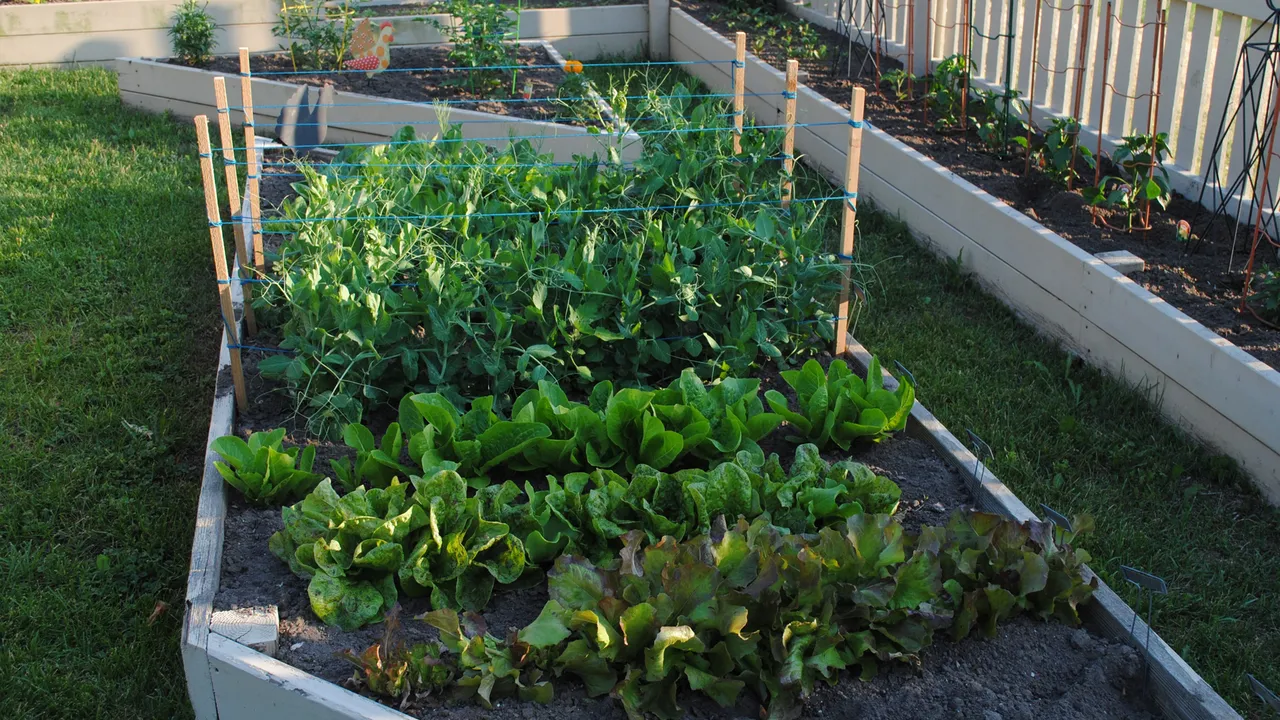
Introduction Why a Thriving Vegetable Garden Matters
A vegetable garden is more than just a patch of soil with plants. It is a living ecosystem that provides food, sustainability, and emotional well-being. In today’s fast-paced world filled with packaged and processed foods, growing your own vegetables ensures access to fresh, chemical-free, and nutrient-rich produce.
Studies show that gardening lowers stress, improves mental health, and builds a stronger connection with nature. Families that grow food together often develop healthier eating habits and save money on groceries. Moreover, with rising concerns about climate change and food insecurity, a thriving vegetable garden is a personal step toward self-sufficiency and eco-friendly living.
Planning Your Vegetable Garden
Choosing the Right Location
Location is the first step to success. Vegetables like tomatoes, peppers, cucumbers, and squash thrive best in areas that receive 6–8 hours of direct sunlight daily. Avoid shady areas under trees or buildings.
A good location also requires well-draining soil. Standing water can damage roots and attract pests. Beginners often overlook accessibility—your garden should be near a water source and close enough that you can easily tend to it daily.
Designing for Sunlight Water and Soil
Plan raised beds or rows in a north-south orientation to maximize sun exposure. Group vegetables with similar water needs together—this helps conserve water and prevents overwatering.
For urban dwellers, consider container gardening or vertical gardens. These methods are perfect for small balconies and rooftops, allowing even city residents to enjoy a vegetable garden.
Healthy soil is the foundation of a thriving vegetable garden. Before planting, conduct a soil test to determine pH, organic matter, and nutrient levels. Most vegetables grow best in slightly acidic to neutral soil (pH 6.0–7.0).
You can buy a soil testing kit online or contact your local agricultural extension service for detailed analysis. The test results will tell you what amendments are needed for optimum growth.
Adding compost enriches soil with essential nutrients, improves water retention, and encourages beneficial microorganisms. Compost can be made at home using kitchen scraps, yard waste, and leaves.
Other organic amendments include:
- Manure: Rich in nitrogen but must be aged before use.
- Leaf mold: Improves soil texture and water retention.
- Worm castings: A nutrient-rich booster for seedlings.
For first-time gardeners, it’s best to start with easy-to-grow crops. Popular beginner-friendly vegetables include:
- Tomatoes (require sun and staking)
- Lettuce and spinach (quick harvest in 30 days)
- Carrots (thrives in loose soil)
- Radishes (fast-growing and pest-resistant)
- Zucchini (abundant harvest with little effort)
When choosing vegetables, consider your climate, season, and family preferences. A vegetable garden should reflect what you love to eat most.
Seasonal Planting Guide
Planting at the right time is crucial. Vegetables have specific growing seasons:
- Spring Crops: Lettuce, peas, spinach, beets
- Summer Crops: Tomatoes, peppers, cucumbers, beans
- Fall Crops: Kale, carrots, radishes, broccoli
- Winter (mild climates): Cabbage, onions, garlic, leeks
Watering Techniques for Growth
Water is life for plants, but too much or too little can ruin your vegetable garden. Best practices include:
- Deep watering: Encourages deep root systems.
- Morning watering: Reduces evaporation and disease risk.
- Drip irrigation: Saves water and prevents leaf wetting.
- Mulching: Conserves soil moisture and regulates temperature.
Fertilizers and Natural Boosters
Synthetic fertilizers may give quick results but harm long-term soil health. Instead, use organic fertilizers like:
- Compost tea
- Bone meal (phosphorus boost)
- Fish emulsion (nitrogen source)
- Seaweed extract (micronutrients)
Balanced fertilization ensures your vegetable garden stays productive year-round.
Pest and Disease Management in Vegetable Gardens
Pests like aphids, caterpillars, and beetles can destroy crops quickly. Instead of chemical sprays, adopt eco-friendly solutions:
- Plant marigolds to repel nematodes.
- Release ladybugs to eat aphids.
- Use neem oil for organic pest control.
Crop rotation and proper spacing also prevent soil-borne diseases like blight and mildew.
Companion Planting for Better Yields
Companion planting is the secret weapon of a thriving vegetable garden. For example:
- Tomatoes + Basil: Boost flavor and repel pests.
- Carrots + Onions: Carrots repel onion flies; onions repel carrot flies.
- Beans + Corn: Beans fix nitrogen, corn provides support.
Sustainable Gardening Practices
A thriving vegetable garden should also be environmentally friendly. Practices include:
- Collecting rainwater for irrigation.
- Avoiding chemical pesticides and fertilizers.
- Practicing no-till gardening to preserve soil structure.
- Using renewable materials like bamboo stakes instead of plastic.
Common Mistakes and How to Avoid Them
Even seasoned gardeners face challenges. Here are frequent mistakes in vegetable gardens—and how to fix them:
- Overcrowding plants → Leads to poor airflow and disease. Solution: Follow spacing guidelines on seed packets.
- Overwatering or underwatering → Roots may rot or dry out. Solution: Check soil moisture before watering.
- Ignoring crop rotation → Increases pests and soil depletion. Solution: Rotate families (tomatoes, legumes, brassicas) every year.
- Planting out of season → Stunts growth. Solution: Follow a seasonal planting guide.
- Too much fertilizer → Burns roots. Solution: Use compost and natural boosters moderately.
Avoiding these mistakes is the difference between frustration and a flourishing vegetable garden.
Tools Every Gardener Should Own
The right tools make gardening more efficient and enjoyable. Essential items include:
- Hand trowel and garden fork for planting and loosening soil.
- Pruners for trimming and harvesting.
- Watering can or drip system for hydration.
- Hoe or cultivator for weeding.
- Garden gloves for protection.
- Raised bed frames or containers for organization.
Advanced gardeners may also use soil thermometers, compost tumblers, and grow lights. Investing in quality tools ensures longevity and better results.
Harvesting Tips for Fresh Produce
Harvesting at the right time ensures maximum flavor and nutrition. Each vegetable has a “sweet spot”:
- Tomatoes: Pick when fully red but still firm.
- Leafy greens: Harvest outer leaves and let inner ones keep growing.
- Carrots & beets: Harvest when roots are 1–2 inches wide.
- Zucchini: Best when 6–8 inches long for tender flavor.
Always use clean scissors or pruners to avoid damaging plants. Harvest in the morning when vegetables are crisp and hydrated.
15. Storing and Preserving Vegetables
A thriving vegetable garden often produces more than you can eat. Proper storage extends shelf life:
- Leafy greens → Store in damp paper towels inside airtight bags.
- Root crops (carrots, potatoes) → Keep in cool, dark, dry places.
- Herbs → Freeze in olive oil or dry in bunches.
- Tomatoes → Can be sun-dried, frozen, or turned into sauces.
Preservation techniques like pickling, fermenting, and freezing allow you to enjoy your garden’s bounty year-round.
Inspiring Vegetable Garden Success Stories
Case studies show how vegetable gardens transform lives:
- Urban Rooftop Garden, New York City → A family converted their rooftop into a vegetable oasis, producing enough lettuce and tomatoes to sustain their household and sell at a local market.
- Community Garden, Nairobi → Residents grew vegetables collectively, improving nutrition and creating jobs.
- School Gardens in California → Students learn biology and sustainability hands-on by planting vegetables, improving both academic performance and food awareness.
These stories prove that vegetable gardening is not just about food—it builds communities, health, and resilience.
Conclusion
A thriving vegetable garden is more than a hobby—it’s a path toward health, sustainability, and self-sufficiency. By understanding soil, water, and seasonal cycles, anyone can transform even the smallest space into a food-producing sanctuary. From reducing food bills to building resilience against global challenges, gardening is an investment in the future.