
Introduction Why Holiday Cacti Are So Loved
When winter arrives and days grow short, few houseplants brighten a home like the holiday cactus. With colorful blooms in shades of pink, red, purple, white, and even yellow, these plants carry memories across generations. Many people inherit their holiday cactus from grandparents, and some live for over 50 years. But while we often call them all “Christmas cactus,” there are actually three distinct types.
What Makes a Holiday Cactus Different from Other Cacti
Most people picture desert cacti: tall, spiny plants surviving with almost no water. Holiday cacti are very different.
- Forest cactus vs. desert cactus: Instead of deserts, holiday cacti come from tropical forests in Brazil. They live in cool, shady spots with filtered light.
- Epiphytes explained: Holiday cacti don’t grow in the soil of the forest floor. They’re epiphytes, meaning they perch on tree branches, drawing water and nutrients from rain, mist, and fallen leaves.
This explains why they love humidity, dislike harsh sunlight, and can’t tolerate dry neglect the way desert cacti can.
The Three Main Types of Holiday Cactus
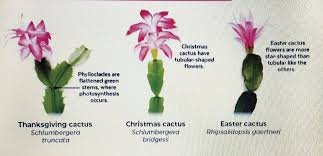
- Thanksgiving cactus (Schlumbergera truncata)
Known as “crab cactus” for its claw-shaped leaf edges. Blooms around November. - Christmas cactus (Schlumbergera x buckleyi)
Softer, rounded leaf edges and drooping flowers. Blooms in December. - Easter cactus (Rhipsalidopsis gaertneri)
Rounded leaves with tiny bristles. Blooms in spring, around March–May.
Origins and Natural Habitat of Holiday Cacti
All holiday cacti come from Brazil, where they grow high in trees or rocky crevices. They thrive in mild temperatures, shady forests, and moist air. In their natural rhythm:
- Thanksgiving cactus flowers as spring turns to summer in Brazil (opposite to North America).
- Christmas cactus blooms a little later.
- Easter cactus waits until late summer in Brazil, which aligns with spring in the northern hemisphere.
Why People Confuse These Cacti So Often
In stores, most holiday cacti are mislabeled. Nurseries often sell Thanksgiving cactus in November but call it a “Christmas cactus.” To make things more confusing, hybrids exist that share traits of both. Since their flowers and stems look similar, many owners never realize they have the wrong label.
Easy Ways to Tell Them Apart at a Glance
- Leaf (stem) shapes:
- Thanksgiving cactus = sharp points, claw-like.
- Christmas cactus = smooth, scalloped edges.
- Easter cactus = rounded edges with bristles.
- Bloom timing:
- Thanksgiving = November.
- Christmas = December.
- Easter = March–May.
- Flower direction:
- Thanksgiving = flowers point outward.
- Christmas = flowers droop downward.
- Easter = flowers are star-shaped and open wide.
Thanksgiving Cactus in Detail
Appearance: Square, clawed stems with sharp edges. Flowers face outward.
Blooming season: Mid-November through December, sometimes January.
Care tips: Keep soil slightly moist but not soggy. Bright, indirect light. Cool nights help buds form.
Fun fact: Pollinated by hummingbirds in Brazil.
Christmas Cactus in Detail
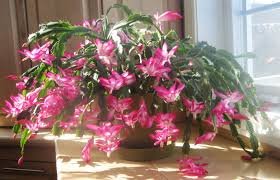
Appearance: Rounded, scalloped stems. Flowers hang downward like bells.
Blooming season: December into January.
Care tips: Prefers cooler nights (50–60°F) and 12–14 hours of darkness for bud setting.
Fun fact: Some family plants are over 100 years old, passed down for generations.
Easter Cactus in Detail
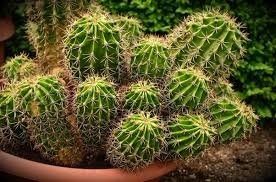
Appearance: Rounded stems with small bristles at the joints.
Blooming season: March to May.
Care tips: Needs a dry rest in winter to bloom well in spring. Water sparingly until buds appear.
Fun fact: Its star-shaped blooms open in the day and close at night.
Comparing the Three Side by Side
| Feature | Thanksgiving Cactus | Christmas Cactus | Easter Cactus |
|---|---|---|---|
| Stem edges | Pointed, claw-like | Rounded, scalloped | Rounded + bristles |
| Flower direction | Outward | Downward | Star-shaped, open |
| Bloom season | Nov–Dec | Dec–Jan | Mar–May |
| Genus | Schlumbergera truncata | Schlumbergera x buckleyi | Rhipsalidopsis gaertneri |
Common Mislabeling in Stores
Most “Christmas cactus” you buy in stores in November are actually Thanksgiving cacti. Growers sell them early because Thanksgiving cactus blooms sooner and ships better.
The Science Behind Their Blooming Cycles
Holiday cacti are “short-day plants,” meaning they bloom when nights are long. Around 12–14 hours of darkness for 6–8 weeks is enough to trigger flowers. Cool night temperatures (50–55°F) also encourage blooms.
How to Care for Holiday Cactus Year-Round
- Light: Bright, indirect light. Avoid direct harsh sunlight.
- Water: Water when the top inch of soil feels dry. Don’t let it sit in water.
- Temperature: 60–70°F daytime, cooler nights.
- Humidity: Mist regularly or place near a tray of water for extra moisture.
Soil and Potting Mix Getting It Right
Use a cactus or succulent mix with added perlite, sand, or orchid bark for drainage. Slightly acidic soil (pH 5.5–6.0) is best.
Choosing the Perfect Pot
Always pick pots with drainage holes. Holiday cacti do well slightly root-bound, so don’t rush to repot.
Feeding and Fertilizing Schedule
- Spring–summer: Fertilize every 2 weeks with balanced houseplant food.
- Fall–winter: Once per month.
- Stop feeding during bloom to prevent stress.
Seasonal Care
- Spring: Prune lightly after blooms. Propagate cuttings.
- Summer: Move outdoors to shaded spot. Water more often.
- Fall: Reduce watering, provide long nights for budding.
- Winter: Enjoy blooms. Keep soil evenly moist.
How to Trigger Blooms
- Provide 13–14 hours of darkness each night.
- Keep night temps at 50–55°F.
- Reduce watering during bud-setting phase.
- Once buds appear, return to normal care.
Propagation Grow More Plants from Cuttings
- Break off a stem with 2–4 segments.
- Let it callus for a few days.
- Plant in sandy, well-draining soil.
- Keep moist and in bright, indirect light.
- Roots form within weeks.
Repotting and When to Do It
Repot every 3–4 years, ideally in spring after flowering. Use fresh soil and a slightly larger pot.
Common Problems and How to Solve Them
- Bud drop: Caused by sudden changes in temperature, light, or watering.
- Root rot: From overwatering. Fix by repotting in dry soil.
- Pests: Mealybugs, aphids, and spider mites can be wiped off with alcohol.
Holiday Cactus and Pets Are They Safe
Good news: Holiday cacti are non-toxic to cats and dogs. Unlike poinsettias, they’re safe for holiday homes.
Myths and Fun Facts About Holiday Cacti
- Can live up to 100 years.
- Some bloom twice a year if conditions are right.
- Called “pass-along plants” because families share cuttings.
Holiday Cactus as Heirloom Plants
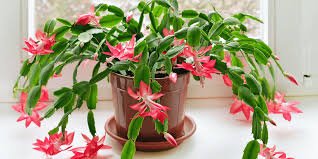
Because they live so long and are easy to pass down, holiday cacti often become cherished family heirlooms.
Decorating Ideas How to Display Them
- Hanging baskets for trailing stems.
- Table centerpieces during holidays.
- Grouped with other winter plants for a festive corner.
Choosing the Right Holiday Cactus for You
- Want early color? Get a Thanksgiving cactus.
- Want blooms at Christmas dinner? Choose a Christmas cactus.
- Want spring flowers? Try Easter cactus.
FAQ
Q: Why won’t my cactus bloom?
A: Too much light or warmth at night prevents buds.
Q: Can I grow them outdoors?
A: Yes, in summer, but bring them inside before temps drop below 50°F.
Q: How long do blooms last?
A: Usually 4–6 weeks.
Table of Contents
- Introduction: Why Holiday Cacti Are So Loved
- What Makes a Holiday Cactus Different from Other Cacti
- Forest cactus vs. desert cactus
- Epiphytes explained in simple terms
- The Three Main Types of Holiday Cactus
- Thanksgiving cactus (Schlumbergera truncata)
- Christmas cactus (Schlumbergera x buckleyi)
- Easter cactus (Rhipsalidopsis gaertneri)
- Origins and Natural Habitat of Holiday Cacti
- Native regions in Brazil
- How they grow in the wild
- Why People Confuse These Cacti So Often
- Easy Ways to Tell Them Apart at a Glance
- Leaf (stem segment) shapes
- Bloom timing
- Flower direction and color
- Thanksgiving Cactus in Detail
- Appearance
- Blooming season
- Care tips
- Fun facts
- Christmas Cactus in Detail
- Appearance
- Blooming season
- Care tips
- Fun facts
- Easter Cactus in Detail
- Appearance
- Blooming season
- Care tips
- Fun facts
- Comparing the Three Side by Side
- A simple identification chart
- Visual differences explained
- Common Mislabeling in Stores
- The Science Behind Their Blooming Cycles
- How to Care for Holiday Cactus Year-Round
- Light needs
- Watering routine
- Temperature preferences
- Humidity and air quality
- Soil and Potting Mix: Getting It Right
- Choosing the Perfect Pot
- Feeding and Fertilizing Schedule
- Seasonal Care: Spring, Summer, Fall, Winter
- How to Trigger Blooms
- Darkness requirements
- Cool temperature trick
- Propagation: Grow More Plants from Cuttings
- Step-by-step guide
- Best time to propagate
- Repotting and When to Do It
- Common Problems and How to Solve Them
- Bud drop
- Root rot
- Pests like mealybugs
- Holiday Cactus and Pets: Are They Safe?
- Myths and Fun Facts About Holiday Cacti
- Holiday Cactus as Heirloom Plants
- Decorating Ideas: How to Display Them
- Choosing the Right Holiday Cactus for You
- Holiday Cactus FAQ
- Conclusion: Bringing Joy Through Generations
Conclusion:
Holiday cacti are more than houseplants—they’re living traditions. With the right care, you can enjoy their bright flowers year after year, pass them down to family, and always know which cactus is which. Whether Thanksgiving, Christmas, or Easter, these plants remind us that beauty returns with patience and care.