
Botanical vs Culinary Unraveling the Fruit and Vegetable Mystery
The common understanding of what constitutes a fruit versus a vegetable often differs significantly between botanical science and everyday culinary practice, leading to widespread confusion. Understanding these two distinct classification systems can clarify why some items, traditionally used as vegetables, are scientifically classified as fruits.
Botanically, a fruit is defined as the mature ovary of a flowering plant, specifically the part that develops from the flower and contains seeds. Its primary biological function is to protect the seeds and aid in their dispersal, serving as the plant’s reproductive mechanism [Source: Purdue University Extension]. This scientific definition means that many items we commonly relegate to the “vegetable” category are, in fact, fruits. Classic examples include tomatoes, which are perhaps the most famous case, but also encompass cucumbers, zucchini, pumpkins, squash, bell peppers, eggplants, and avocados [Source: Britannica]. Each of these develops from a flower and contains seeds, unequivocally fitting the botanical criteria for a fruit. Even less obvious examples like olives, string beans, and chili peppers fall into this category. The presence of seeds within the fleshy (or sometimes dry) pericarp—the fruit wall—is the key indicator.
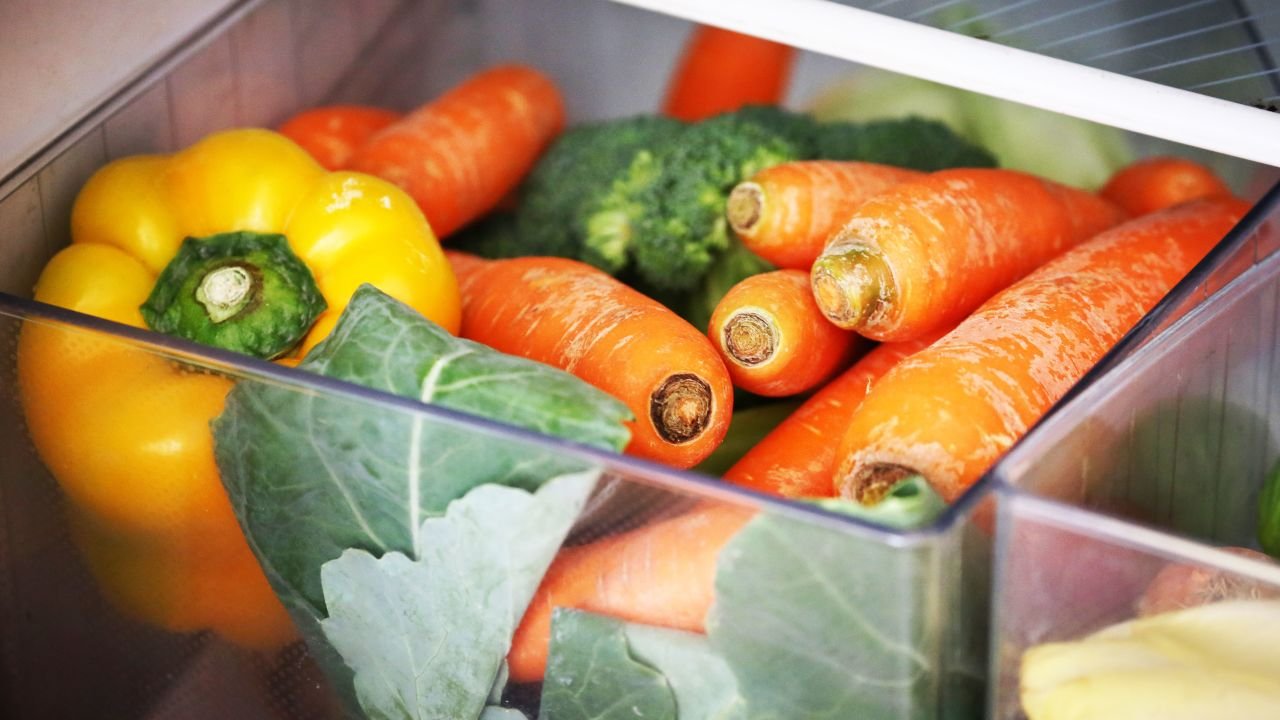
Conversely, a vegetable, from a botanical standpoint, is a much broader category, encompassing any other edible part of a plant that does not fit the fruit definition. This includes a diverse array of plant components. For instance, carrots, potatoes, radishes, beets, and turnips are all roots that serve as storage organs for the plant’s nutrients. Asparagus and celery are considered stems, prized for their fibrous texture and distinct flavors. Leafy greens like spinach, lettuce, kale, cabbage, and Swiss chard are, as their name suggests, the edible leaves of plants. Broccoli and cauliflower are fascinating examples of edible flowers, harvested before they fully bloom. Additionally, bulbs such as onions and garlic, which are underground storage organs composed of fleshy leaves, and even some seeds like corn kernels (often used as a vegetable but botanically a grain) or peas (legumes, botanical seeds) are typically classified as vegetables in a culinary context [Source: Treehugger]. The unifying factor for these “vegetables” is that they are not the seed-bearing reproductive structure that develops from the flower’s ovary.
The culinary classification, however, operates on an entirely different set of rules, largely based on taste, typical usage, and preparation methods. In the kitchen, the distinction is far more practical: fruits are generally sweet or tart, often enjoyed raw, in desserts, snacks, jams, or juices [Source: Britannica]. Think of apples, oranges, berries, and bananas—their sweetness makes them ideal for lighter courses. Vegetables, on the other hand, are typically savory, less sweet, and are commonly used in main dishes, side dishes, soups, or stews. They are frequently cooked, whether steamed, roasted, sautéed, or grilled, before consumption. This culinary distinction is why items like tomatoes, bell peppers, and cucumbers, despite being botanical fruits, are almost universally treated as vegetables in cooking due to their savory profiles and common usage in salads, stir-fries, and main courses. The flavor profile and how an item is incorporated into a meal become the deciding factors for chefs and home cooks, often overriding the scientific definition.
This divergence between botanical accuracy and culinary tradition is largely inconsequential for daily nutrition but can be a fun fact for trivia buffs and a point of clarification for budding botanists. Regardless of how an item is classified, both fruits and vegetables are indispensable components of a balanced and healthy diet. They are packed with essential vitamins, minerals, dietary fiber, and a wide array of antioxidants and phytochemicals crucial for maintaining overall health. Eating a diverse range of both “fruits” and “vegetables,” by either definition, ensures a comprehensive intake of these vital nutrients, supports digestive health, boosts the immune system, and helps protect against various chronic diseases. So, while the debate over a tomato’s true identity might continue, its nutritional benefits remain undisputed, whether it’s starring in a salad or a fruit smoothie. The ultimate goal is to consume a colorful and varied selection of plant-based foods to reap their myriad health advantages.
Sources
- Britannica – What’s the Difference Between a Fruit and a Vegetable?
- Purdue University Extension – Fruits & Veg.
- Treehugger – What is the Difference Between a Fruit and a Vegetable?
While botanical science defines fruits and vegetables by plant structure and reproduction, the culinary world classifies them by taste and usage. Despite these differences, both are rich sources of essential nutrients that promote overall health. The key is not the label, but enjoying a colorful variety to maximize their benefits.